Why Safe Speed Matters: 5 Essential Driving Tips
Speed is one of the most important factors in road safety. Every motorist has a responsibility to manage their speed appropriately, helping to protect themselves, their passengers, and other road users while also avoiding penalties.
Driving too fast reduces your reaction time, increases stopping distances, and makes it more difficult to respond safely to unexpected hazards. Even travelling just a few miles per hour over the speed limit can have serious consequences.
Sadly, speeding continues to contribute to serious road traffic collisions. According to the PSNI’s 2025 Road Traffic Collision Statistics Report, there were 54 fatalities on Northern Ireland’s roads in 2025, with “excessive speed having regard to conditions” identified as a contributing factor in a number of these tragic incidents.
By managing your speed and driving responsibly, you can significantly reduce your risk of being involved in a collision.
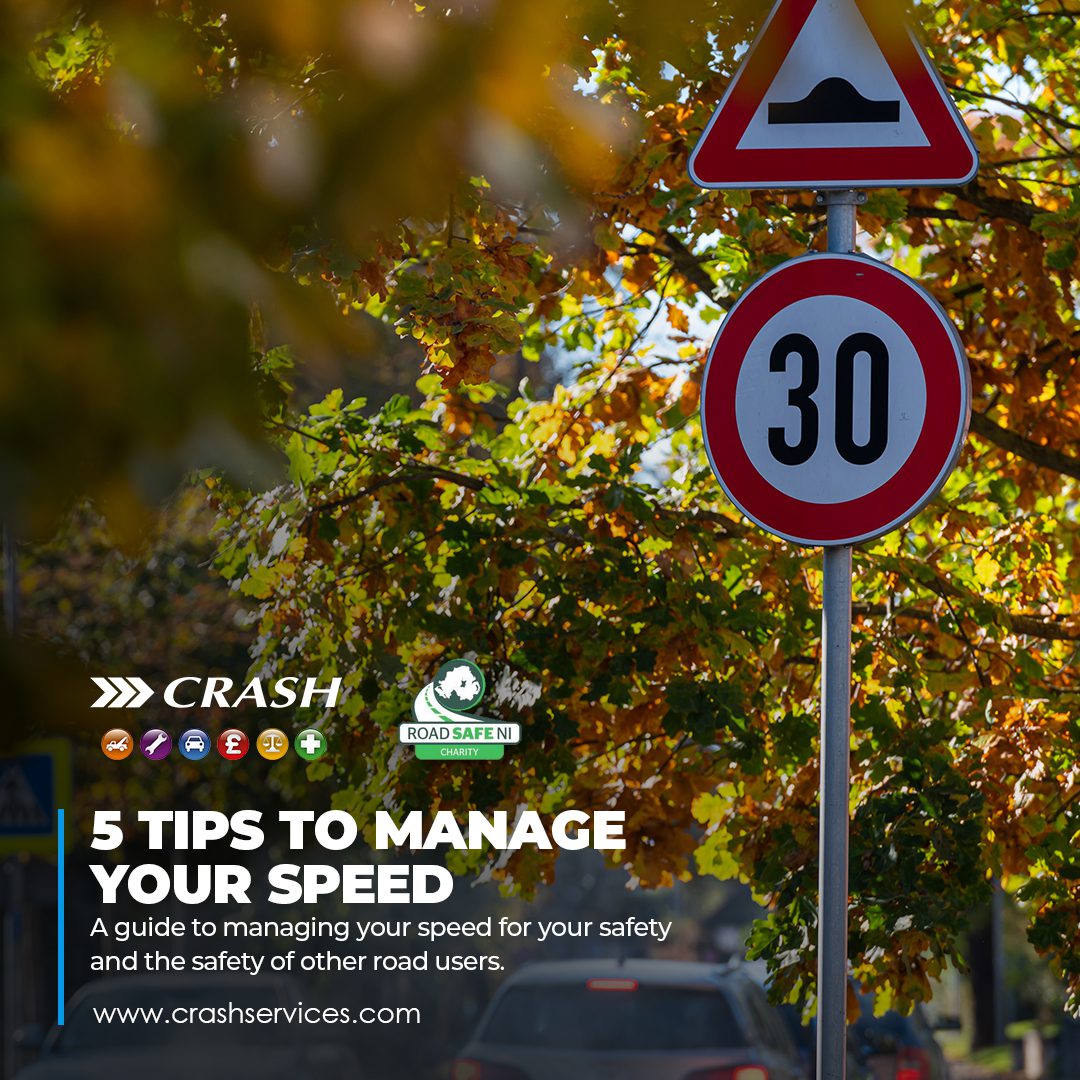
Here are our top five driving tips for managing your speed safely and protecting yourself and others on the road.
1. Adjust Your Speed to Suit Weather and Road Conditions
Speed limits are designed for ideal driving conditions. When the weather changes, your driving should too.
Heavy rain, fog, ice, snow, surface water, mud, or poor road surfaces can all reduce grip and increase stopping distances. In wet conditions alone, it can take significantly longer to bring your vehicle to a stop.
When conditions deteriorate:
- Reduce your speed
- Increase your following distance
- Avoid harsh braking or sudden steering
- Stay alert for hazards such as standing water and debris
Driving to the conditions can help you maintain control and react safely to unexpected situations.
2. Remember: The Speed Limit Is a Maximum, Not a Target
Many motorists view speed limits as the speed they should always drive at. In reality, speed limits represent the maximum speed permitted in ideal circumstances.
There are many situations where a lower speed is safer, including:
- Heavy traffic
- Poor visibility
- Bad weather
- Rural roads
- Residential streets
- Unfamiliar routes
Planning your journey in advance and allowing extra travel time can help reduce the temptation to speed.
3. Slow Down in Residential Areas and Busy Locations
Areas with high levels of pedestrian activity require extra caution.
When driving through:
- Residential estates
- School zones
- Shopping areas
- Town centres
- Roadworks
you should be prepared to react quickly to pedestrians, cyclists, children, or unexpected hazards.
Lower speeds give you more time to identify risks and reduce the likelihood of serious injury if an accident occurs.
4. Use Vehicle Safety Features Correctly
Modern vehicles are equipped with advanced driver assistance systems, including:
- Lane departure warnings
- Automatic emergency braking
- Collision alerts
- Adaptive cruise control
- Speed limit recognition systems
While these technologies can improve safety, they should never replace safe driving practices.
Safety systems work best when drivers maintain appropriate speeds and remain fully focused on the road.
5. Don’t Let Other Drivers Pressure You
Most drivers have experienced tailgating or pressure from other road users to drive faster.
If another driver is:
- Following too closely
- Flashing their headlights
- Attempting to encourage you to speed
remain calm and continue driving at a safe and legal speed.
If it’s safe to do so, allow the vehicle to pass. Never feel pressured into driving faster than road, traffic, or weather conditions allow.
Your priority should always be the safety of yourself, your passengers, and other road users.
The Risks of Speeding
Speeding doesn’t just increase the likelihood of a collision. It can also result in:
- Penalty points
- Fines
- Increased insurance premiums
- Driving disqualifications
- Serious injuries
- Fatal road traffic collisions
By managing your speed and driving responsibly, you can significantly reduce the risk of an accident and help keep Northern Ireland’s roads safer for everyone.
Stay Safe and Drive Responsibly
Safe driving isn’t about reaching your destination more quickly; it’s about arriving safely.
By adjusting your speed to the conditions, remaining alert, and resisting pressure from other drivers, you can help protect yourself and others on the road.
How CRASH Services Can Help You After A Car Crash or Accident
At CRASH Services, we specialise in helping drivers in Belfast, Newry, Derry~Londonderry and across Northern Ireland get back on the road quickly.
After an accident, our expert team will take care of:
- vehicle recovery,
- collision investigation,
- organising repairs,
- providing a replacement vehicle,
- liaising with insurance companies and
- legal and medical
And we do it all, at no cost to the not-at-fault driver.
Our service is free as we recover the costs from the third-party insurers.
Why Choose CRASH Services?
- Established in 1996
- Trusted by Hundreds of Thousands Local Northern Ireland Motorists
- No Cost to You, Costs Recovered from Insurers
- Complete Accident Management from Recovery to Repairs
- 99% Customer Recommendation Rate
Our Mission is Simple:
“To act with care for those involved in road traffic accidents.”
Need Help After an Accident in Belfast, Newry, Derry~Londonderry or anywhere across Northern Ireland?
Call us today on 028 9066 0244 or Request a Callback Today
CRASH Services, take care of everything, at no cost to you!
Frequently Asked Questions
- Why is managing your speed so important?
Managing your speed helps you stay in control of your vehicle, reduces stopping distances, improves reaction times, and lowers the severity of any collision that may occur.
- Is the speed limit always the safest speed to drive?
No. Speed limits are the maximum permitted speeds in ideal conditions. Drivers should reduce their speed whenever road, traffic, weather, or visibility conditions make it unsafe to travel at the limit.
- How do weather conditions affect safe driving speeds?
Rain, fog, snow, ice, and strong winds can all reduce visibility and grip. In poor conditions, drivers should slow down and leave extra space between vehicles.
- Why does speed affect stopping distance?
The faster a vehicle travels, the further it will travel before the driver can react and the longer it will take to stop safely.