
How to Prevent a Car Breakdown
Nobody wants to experience a car breakdown, especially during a busy commute, a family day out or a long journey across Northern Ireland.
Many breakdowns can be prevented with regular vehicle maintenance and by identifying potential issues before they become serious problems.
At CRASH Services, we’ve helped thousands of motorists over the years. Here are 12 of the most common causes of breakdowns and what you can do to avoid them.
-
Prevent Flat Batteries
A flat battery is one of the most common reasons drivers call for roadside assistance.
If your vehicle isn’t driven regularly, make sure you start it and take it for a short drive occasionally to help keep the battery charged.
Signs of a weak battery:
- Slow engine start
- Dim headlights
- Dashboard warning lights
- Clicking sound when starting
-
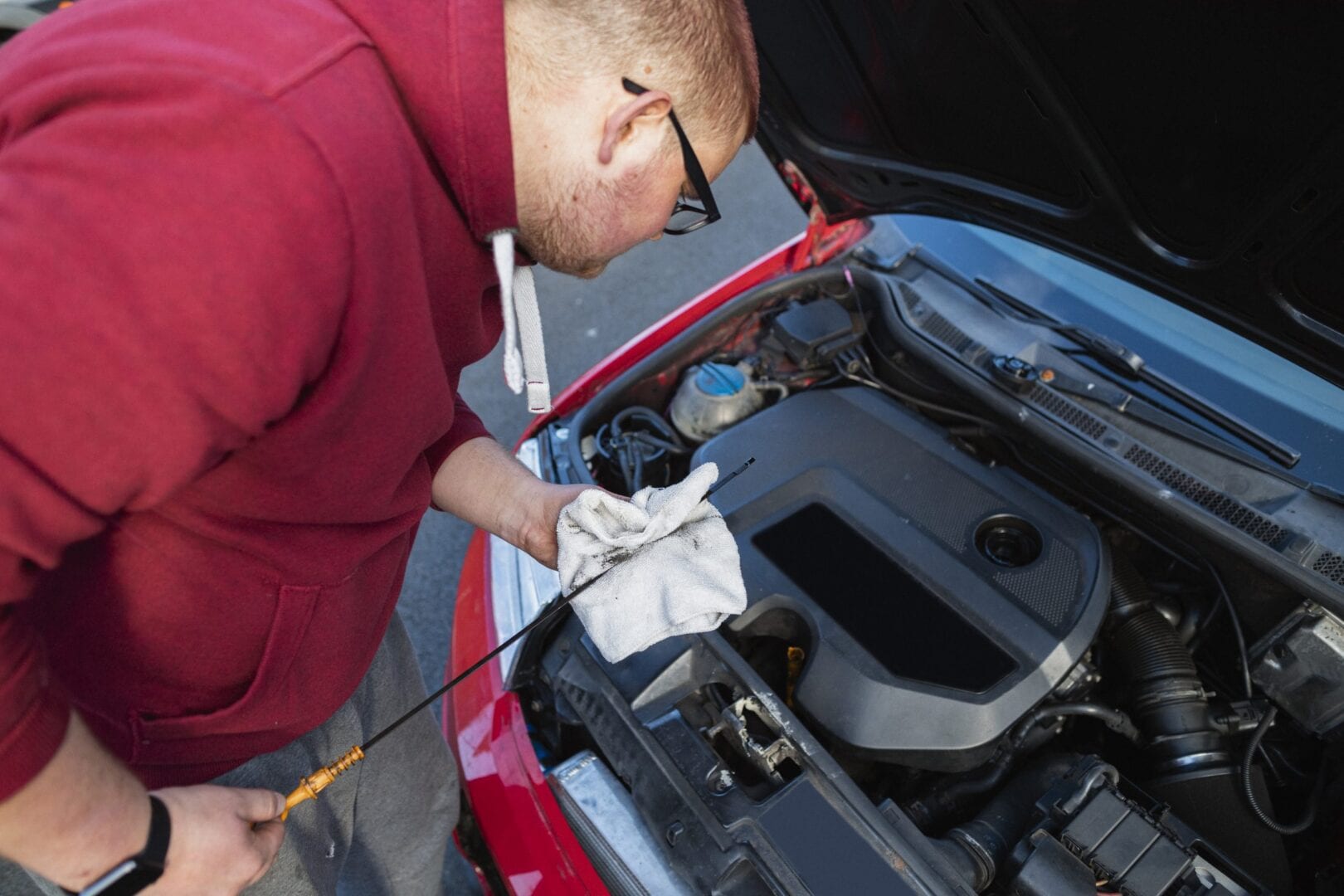
Check Your Car’s Oil Levels
Engine oil lubricates vital engine components and helps prevent wear and overheating.
Low oil levels can lead to costly engine damage and, in severe cases, complete engine failure.
Tips:
- Check oil levels monthly
- Check before long journeys
- Top up with the correct oil specification
-
Monitor Engine Coolant Levels
Your coolant system prevents the engine from overheating.
If coolant levels become too low, your engine could suffer serious damage.
Remember:
- Only check coolant when the engine is cold
- Monitor levels regularly
- Investigate sudden drops in coolant levels
-
Keep Windscreen Washer Fluid Topped Up
You never realise how important washer fluid is until you need it.
Road dirt, insects, salt and spray can quickly reduce visibility.
A simple habit:
- Check washer fluid monthly
- Always top up before long journeys
-
Check Your Tyre Pressure Regularly
Incorrect tyre pressure can increase fuel consumption, reduce tyre life and increase the risk of punctures or blowouts.
Best practice:
- Check tyre pressures every few weeks
- Follow manufacturer recommendations
- Check before long journeys
-
Inspect Your Spare Tyre
Many drivers don’t know whether their vehicle even has a spare tyre.
If you do have one, make sure it is inflated and in good condition.
Important:
Some space-saver tyres are designed only for temporary use and may have speed and distance restrictions.
-
Keep Up with Vehicle Servicing
Regular servicing is one of the most effective ways to reduce the risk of breakdowns.
A professional mechanic can identify issues before they become expensive repairs.
Most manufacturers recommend:
- Annual servicing
- Or every 12,000 miles (whichever comes first)
-
Make Sure All Vehicle Lights Work
Faulty lights are not only dangerous but may also be illegal.
Check regularly:
- Headlights
- Brake lights
- Rear lights
- Indicators
- Fog lights
It’s a simple check that can improve safety and help avoid penalties.
-
Watch for Alternator Problems
Your alternator charges the battery and powers electrical systems while driving.
Warning signs include:
- Battery warning light
- Flickering headlights
- Electrical faults
- Burning smells
Catching alternator issues early can prevent being stranded at the roadside.
-
Don’t Ignore Clutch Problems
For manual vehicles, the clutch experiences wear over time.
Common warning signs:
- Difficulty changing gears
- Slipping clutch
- Vibrations
- Strange noises
- Poor acceleration
Addressing these symptoms early may prevent complete clutch failure.
-
Check Your Brakes Regularly
Your braking system is one of the most important safety features on your vehicle.
Watch out for:
- Grinding noises
- Squealing brakes
- Vibrations
- Reduced stopping performance
Have your brakes inspected regularly, particularly before long-distance travel.
-
Pay Attention to Electrical Faults
Modern vehicles rely heavily on electronics and sensors.
Electrical issues can lead to unexpected breakdowns if ignored.
Common warning signs:
- Dashboard warning lights
- Repeated blown fuses
- Battery charging issues
- Burning smells
- Faulty electrical equipment
If something doesn’t seem right, have it inspected as soon as possible.
What Are the Most Common Causes of Car Breakdowns?
The most common causes of breakdowns include:
- Flat batteries
- Tyre problems
- Engine overheating
- Low oil levels
- Electrical faults
- Brake problems
- Alternator failure
- Clutch wear
Regular maintenance can significantly reduce the likelihood of experiencing these issues.
Protect Yourself with Breakdown Cover
Even with the best maintenance, unexpected breakdowns can still happen.
Having reliable breakdown cover provides peace of mind and ensures help is available when you need it most.
Granite Breakdown a division of CRASH Services offer a fully inclusive breakdown service to over 20,000 Northern Ireland customers for Just £80 per year. Get yours today!
Granite Breakdown covers you across Northern Ireland and Ireland so you’re covered! Plus they also have an additional GB benefit cover encase you travel to the mainland UK.
Final Thoughts
Most breakdowns don’t happen without warning. By carrying out regular vehicle checks and acting on early signs of mechanical problems, you can reduce the risk of being stranded and avoid costly repairs.
A few minutes spent checking your battery, tyres, oil, coolant, brakes and lights today could save hours of stress tomorrow.
How CRASH Services Can Help You After A Car Crash or Accident
At CRASH Services, we specialise in helping drivers in Belfast, Newry, Derry~Londonderry and across Northern Ireland get back on the road quickly.
After an accident, our expert team will take care of:
- vehicle recovery,
- collision investigation,
- organising repairs,
- providing a replacement vehicle,
- liaising with insurance companies and
- legal and medical
And we do it all, at no cost to the not-at-fault driver.
Our service is free as we recover the costs from the third-party insurers.
Why Choose CRASH Services?
- Established in 1996
- Trusted by Hundreds of Thousands Local Northern Ireland Motorists
- No Cost to You, Costs Recovered from Insurers
- Complete Accident Management from Recovery to Repairs
- 99% Customer Recommendation Rate
Our Mission is Simple:
“To act with care for those involved in road traffic accidents.”
Need Help After an Accident in Belfast, Newry, Derry~Londonderry or anywhere across Northern Ireland?
Call us today on 028 9066 0244 or Request a Callback Today
CRASH Services, take care of everything, at no cost to you!
Get breakdown cover today
Over 20,000 Northern Ireland members trust Granite Breakdown. You can get an annual membership today for only £80.
Frequently Asked Questions
- What is the most common cause of a car breakdown?
Battery problems are one of the most common causes of vehicle breakdowns. Flat batteries can occur when a vehicle is left unused for long periods, during extreme weather conditions, or when the battery is nearing the end of its lifespan.
- How can I reduce the risk of my car breaking down?
Regular maintenance is the best way to prevent breakdowns. Check your battery, oil, coolant, tyre pressures, lights, brakes, and fluid levels regularly, and follow your manufacturer’s servicing schedule.
- How often should I check my tyre pressure?
Tyre pressure should be checked at least every three weeks and before any long journey. Correct tyre pressures can improve safety, fuel efficiency, and tyre lifespan.
- How do I know if my battery is failing?
Common warning signs include difficulty starting the vehicle, dim headlights, electrical issues, dashboard battery warnings, and slower-than-normal engine cranking when turning the key.
- What happens if my oil level gets too low?
Low oil levels can cause excessive engine wear, overheating, and potentially serious engine damage. Checking your oil regularly can help identify problems before they become costly repairs.
- Why is engine coolant important?
Coolant helps regulate engine temperature and prevents overheating. Driving with low coolant levels can lead to significant engine damage and expensive repair bills.
- What are the warning signs of clutch failure?
Signs of clutch problems can include difficulty changing gears, a slipping clutch, poor acceleration, unusual noises when pressing the clutch pedal, or a clutch pedal that feels loose, stiff, or vibrates.