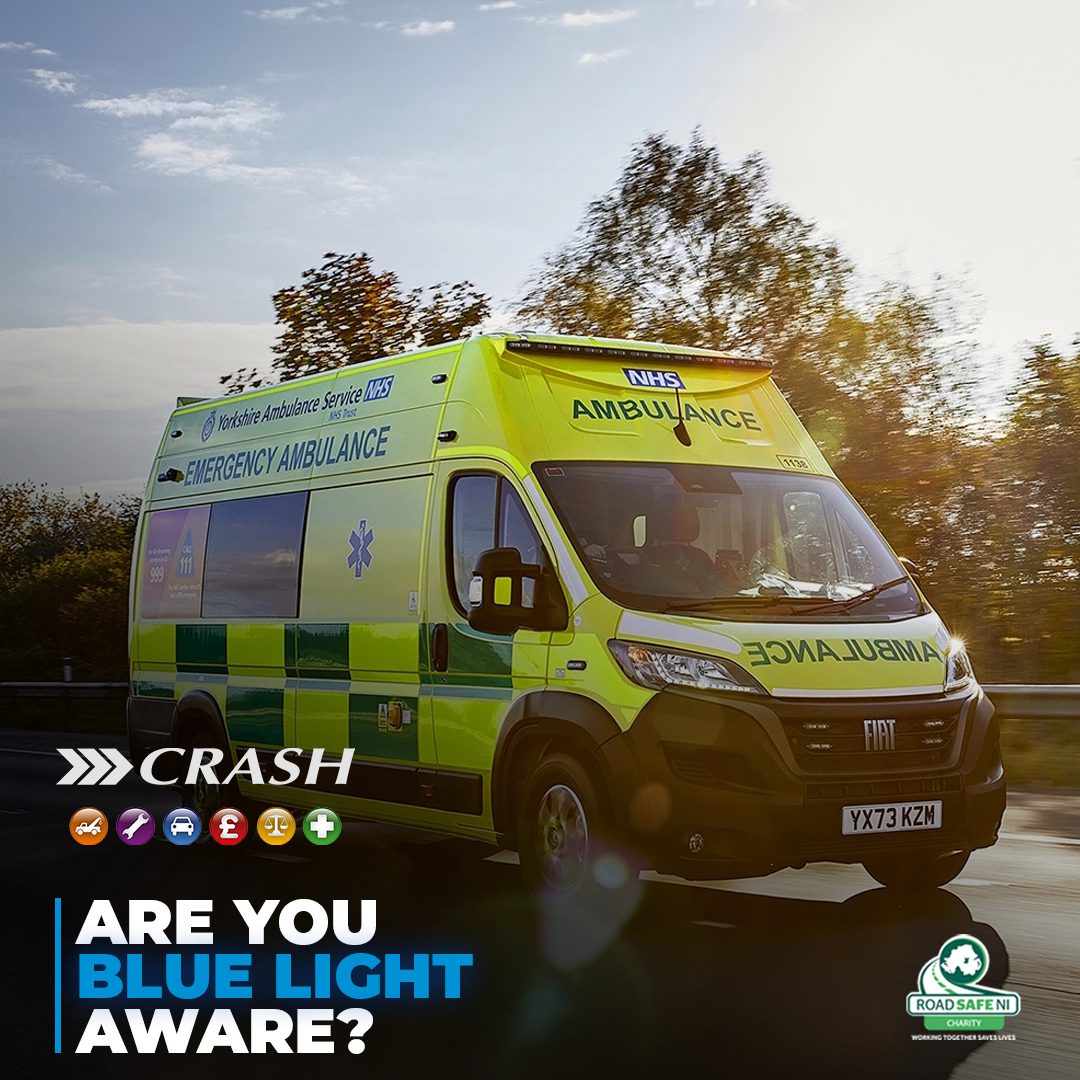
How to Safely Make Way for Emergency Services
When emergency vehicles such as ambulances, police cars, fire engines or emergency motorcycles activate their blue lights and sirens, it signals that they are responding to an urgent call. Knowing how to respond to blue lights safely helps emergency services reach those in need quickly and keeps everyone on the road safe.
What to Do When You See Blue Lights
If you’re driving and notice flashing blue lights or hear a siren, follow these road safety tips to let emergency vehicles pass safely and legally:
-
Stay Calm and Alert
Avoid panic or sudden movements. Take a moment to assess the situation.
-
Consider the Route of the Emergency Vehicle
Check mirrors to see where it’s coming from and if others are also approaching.
-
Take Safe, Controlled Action
When it’s clear, move aside carefully to allow the vehicle to pass.
-
Obey Traffic Signs and Signals
Never run a red light or ignore road markings to make way – emergency drivers are trained to navigate around traffic safely.
-
Choose a Safe Place to Stop
Avoid pulling onto kerbs, bus lanes, bends, hills, or narrow roads. Pull into a safe, visible spot and stop.
-
Avoid Harsh Braking or Sudden Stops
Especially near junctions or roundabouts – maintain smooth control to avoid collisions.
-
Let the Emergency Vehicle Pass Fully
Stay put until you’re sure all emergency vehicles have gone, then re-join the road safely.
How to Tell If a Police Car Is Signalling You to Pull Over
If a police car wants you to stop, it may:
- Flash blue lights or headlights,
- Sound the siren, or
- Use hand signals or the left indicator to direct you to pull over.
When this happens, pull over safely and promptly, switch off your engine, and wait for further instruction.
Stay “Blue Light Aware”
Becoming Blue Light Aware is an important part of responsible driving in the UK. It ensures you understand how to react safely to emergency vehicles while following the Highway Code.
For more information on how you can become Blue Light Aware or to raise awareness with family and friends, visit the dedicated Blue Light Aware Website.
How CRASH Services Can Help You After A Car Crash or Accident
At CRASH Services, we specialise in helping drivers in Belfast, Newry, Derry~Londonderry and across Northern Ireland get back on the road quickly.
After an accident, our expert team will take care of:
- vehicle recovery,
- collision investigation,
- organising repairs,
- providing a replacement vehicle,
- liaising with insurance companies and
- legal and medical
And we do it all, at no cost to the not-at-fault driver.
Our service is free as we recover the costs from the third-party insurers.
Why Choose CRASH Services?
- Established in 1996
- Trusted by Hundreds of Thousands Local Northern Ireland Motorists
- No Cost to You, Costs Recovered from Insurers
- Complete Accident Management from Recovery to Repairs
- 99% Customer Recommendation Rate
Our Mission is Simple:
“To act with care for those involved in road traffic accidents.”
Need Help After an Accident in Belfast, Newry, Derry~Londonderry or anywhere across Northern Ireland?
Call us today on 028 9066 0244 or Request a Callback Today
CRASH Services, take care of everything, at no cost to you!
Frequently Asked Questions
- What should I do when I see an emergency vehicle with blue lights and sirens?
Stay calm, check your mirrors, assess the situation, and look for a safe opportunity to allow the emergency vehicle to pass. Avoid sudden or unpredictable actions.
- Do I have to pull over immediately?
Not always. You should only move aside when it is safe and legal to do so. Emergency drivers are trained to navigate traffic and would prefer drivers to remain predictable than make unsafe manoeuvres.
- Can I go through a red light to let an emergency vehicle pass?
No. Drivers should not break traffic laws to make way for emergency vehicles. Going through a red light could put you and others at risk and may result in enforcement action.
- Which emergency vehicles use blue lights?
Blue lights may be used by:
- Ambulances
- Police vehicles
- Fire and Rescue Service vehicles
- Emergency motorcycles
- Certain authorised emergency response vehicles
- What’s the first thing I should do when I hear a siren?
Check your mirrors, stay aware of your surroundings, and try to identify where the emergency vehicle is approaching from before taking action.