The Dangers and Legal Penalties of Drinking and Driving
Driving under the influence of alcohol or drugs puts lives at risk and remains one of the leading causes of serious road traffic collisions. Whether it’s alcohol, illegal drugs, prescription medication, or certain over-the-counter medicines, anything that impairs your ability to drive safely can significantly increase the risk of a crash.
Understanding how drink and drug driving affects your judgement, reaction times, and awareness can help you make safer choices and avoid severe legal consequences.
Drink Driving in Northern Ireland: Legal Limits
The legal alcohol limit for drivers in Northern Ireland is:
- 35 micrograms of alcohol per 100 millilitres of breath
- 80 milligrams of alcohol per 100 millilitres of blood
- 107 milligrams of alcohol per 100 millilitres of urine
It’s important to remember that alcohol affects drivers long before they reach the legal limit. Even small amounts can impair your judgement, concentration, and reaction time.
How Alcohol Affects Your Driving
At Less Than One-Third of the Legal Limit
Even at relatively low levels of alcohol consumption:
- Your attention becomes impaired.
- You focus more on steering and less on hazards around you.
- You may fail to spot pedestrians, cyclists, or other road users.
- Alertness decreases.
- The likelihood of tiredness and drowsiness increases.
At Less Than Half of the Legal Limit
As alcohol levels rise:
- Vigilance decreases.
- Your perception begins to deteriorate.
- Your ability to assess situations accurately becomes reduced.
At Three-Quarters of the Legal Limit
By this stage, alcohol significantly affects:
- Vision and eyesight
- Tracking ability
- Lane positioning
- Steering control
You may also struggle to:
- Judge distances correctly
- Assess vehicle speeds accurately
- React safely to changing road conditions
At Four-Fifths of the Legal Limit
Closer to the legal limit, drivers may experience:
- Impaired thinking and decision-making
- Slower reaction times
- Reduced ability to make safe choices
- Increased confidence and risk-taking behaviour
Many drivers mistakenly believe they are fully in control, when in reality their judgement is severely affected.
The Overall Impact of Alcohol on Driving
Alcohol can cause:
- Blurred vision
- Reduced concentration
- Poor judgement
- Slower reactions
- Increased risk-taking
The combined effect makes drivers significantly more likely to be involved in a collision.
The Hidden Dangers of Drug Driving
Many people associate drug driving with illegal substances, but certain prescription and over-the-counter medicines can also affect driving ability.
Examples include some:
- Hay fever medications
- Cold and flu remedies
- Cough medicines
- Prescription painkillers
- Sedatives
Always read the patient information leaflet supplied with medication and seek advice from your doctor or pharmacist if you’re unsure whether it is safe to drive.
How Drugs Affect Driving
Drugs can:
- Slow reaction times
- Reduce concentration
- Affect coordination
- Impair judgement
- Cause drowsiness
- Blur vision
Drivers under the influence of drugs may also:
- Misjudge distances and speeds
- Take unnecessary risks
- Become overconfident
- Fail to respond quickly during emergencies
Just like alcohol, drugs can significantly increase the risk of serious or fatal road traffic collisions.
Drink and Drug Driving Offences and Penalties
The penalties for drink and drug driving offences in Northern Ireland are severe and can result in imprisonment, substantial fines, and lengthy driving bans.
Causing Death or Grievous Bodily Injury by Careless Driving While Under the Influence
You could receive:
- Up to 14 years’ imprisonment
- An unlimited fine
- A driving ban of at least two years
- An extended driving test before your licence is returned
Driving or Attempting to Drive While Above the Legal Limit or Unfit Through Drink or Drugs
You could receive:
- Up to six months’ imprisonment
- A fine of up to £5,000
- A driving ban of at least 12 months
- A three-year ban if convicted twice within 10 years
- A requirement to pass a driving test before your licence is returned
Refusing to Provide a Breath, Blood, or Urine Sample
If requested by the police, refusing to provide a specimen for analysis can result in:
- Up to six months’ imprisonment
- A fine of up to £5,000
- A driving ban of at least 12 months
- A requirement to pass a driving test before your licence is returned
Being in Charge of a Vehicle While Over the Legal Limit
Even if you’re not actively driving, being in charge of a vehicle while over the legal limit can carry significant penalties.
You could receive:
- Up to three months’ imprisonment
- A fine of up to £2,500
- A driving disqualification period determined by the District Judge
Why Drink and Drug Driving Is Never Worth the Risk
The consequences of drink or drug driving extend far beyond fines and driving bans. A single poor decision can result in:
- Serious injuries
- Loss of life
- Criminal convictions
- Increased insurance costs
- Loss of employment opportunities
- Long-term emotional and financial consequences
The safest option is simple: if you’ve been drinking or taking medication that may impair your driving, don’t drive. Arrange alternative transport or wait until you’re fully fit to drive again.
Stay Safe on the Roads
No matter how experienced you are behind the wheel, alcohol and drugs can affect your judgement, reaction times, and ability to make safe decisions. Understanding the risks and legal consequences can help protect you, your passengers, and everyone else on the road.
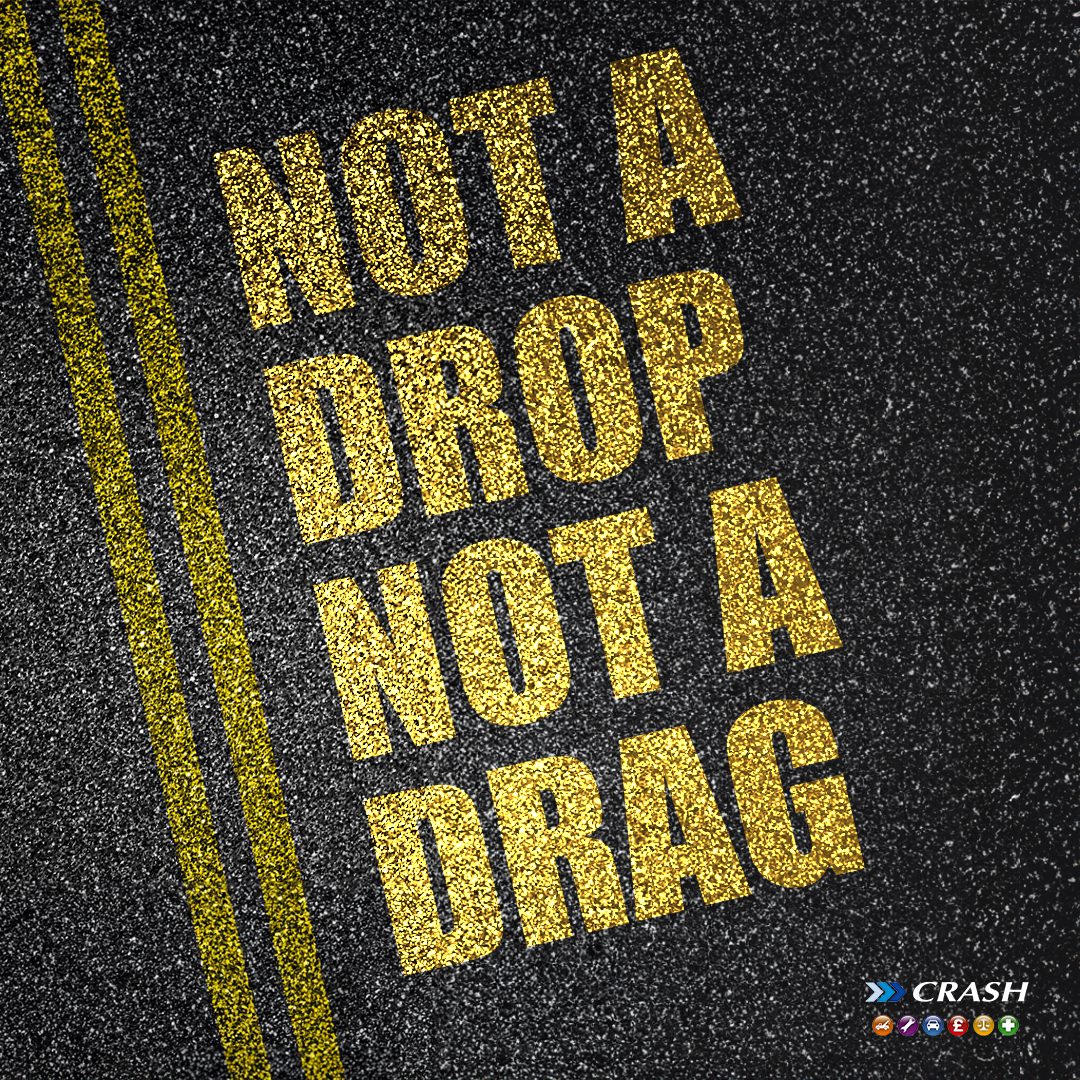
Remember: Not a drop. Not a drag. No journey is worth the risk.
Source: New Driver NI
How CRASH Services Can Help You After A Car Crash or Accident
At CRASH Services, we specialise in helping drivers in Belfast, Newry, Derry~Londonderry and across Northern Ireland get back on the road quickly.
After an accident, our expert team will take care of:
- vehicle recovery,
- collision investigation,
- organising repairs,
- providing a replacement vehicle,
- liaising with insurance companies and
- legal and medical
And we do it all, at no cost to the not-at-fault driver.
Our service is free as we recover the costs from the third-party insurers.
Why Choose CRASH Services?
- Established in 1996
- Trusted by Hundreds of Thousands Local Northern Ireland Motorists
- No Cost to You, Costs Recovered from Insurers
- Complete Accident Management from Recovery to Repairs
- 99% Customer Recommendation Rate
Our Mission is Simple:
“To act with care for those involved in road traffic accidents.”
Need Help After an Accident in Belfast, Newry, Derry~Londonderry or anywhere across Northern Ireland?
Call us today on 028 9066 0244 or Request a Callback Today
CRASH Services, take care of everything, at no cost to you!
Frequently Asked Questions
- Is it safe to drive after drinking alcohol?
No. Alcohol affects judgement, concentration, reaction times, coordination, and vision. Even small amounts of alcohol can impair your ability to drive safely and increase the risk of a collision.
- Can I still be affected if I’m below the legal alcohol limit?
Yes. Impairment can begin before a driver reaches the legal limit. Alcohol can affect alertness, decision-making, and hazard perception even at relatively low levels.
- How does alcohol affect driving ability?
Alcohol can:
- Slow reaction times
- Reduce concentration
- Impair judgement
- Affect vision and coordination
- Increase risk-taking behaviour
- Reduce awareness of hazards
- Can drugs affect my ability to drive?
Yes. Illegal drugs, certain prescription medications, and some over-the-counter medicines can impair driving by affecting concentration, reaction times, coordination, and judgement.
- Which medicines can affect driving?
Some common medications that may cause drowsiness or impair driving include:
- Certain antihistamines
- Some cough and cold remedies
- Strong painkillers
- Sleeping tablets
- Certain antidepressants
Always read medication information carefully and seek advice if unsure.
- What should I do before driving if I’m taking medication?
Check the patient information leaflet, follow medical advice, and never drive if you’ve been told the medication may impair your ability to operate a vehicle safely.