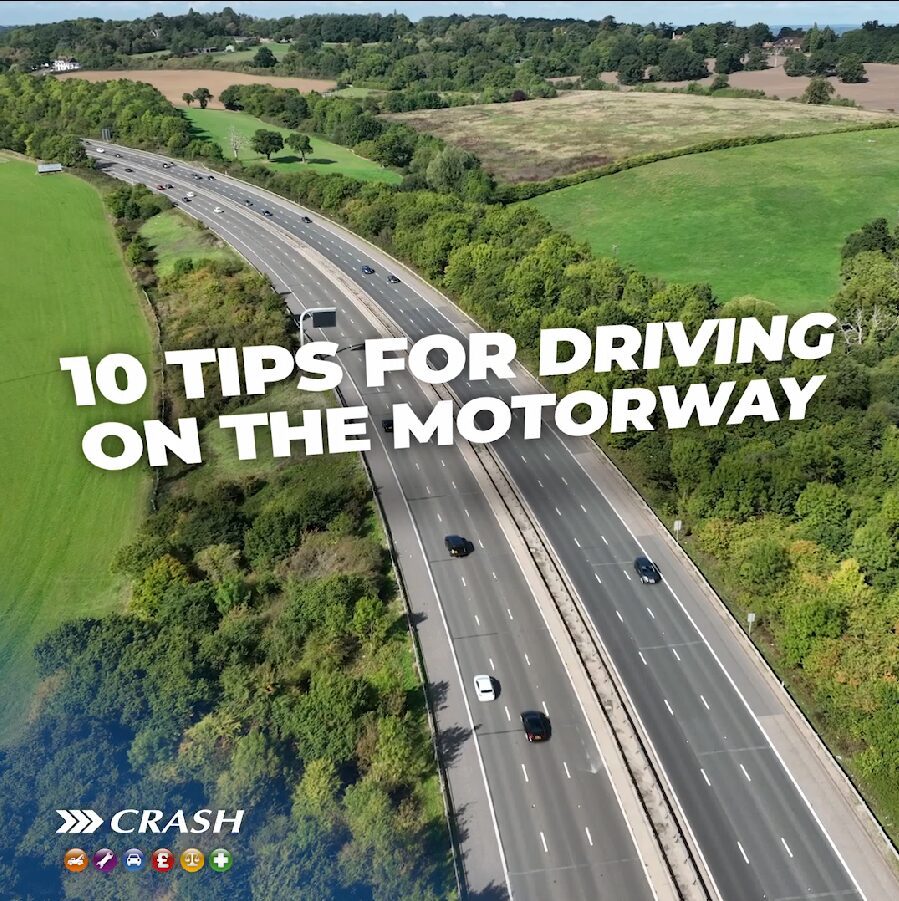
Motorway Driving Guide: How to Travel Safely and Confidently
Driving on a motorway can feel intimidating, especially for new or inexperienced drivers. However, understanding the rules of the road and following safe driving practices can help make your journey safer, smoother, and more enjoyable.
Whether you’re travelling for work, heading on holiday, or making a long-distance journey, these motorway driving tips from Road Safe NI will help you stay safe and confident behind the wheel.
1. Make Sure Your Vehicle Is Motorway Ready
Motorway driving places greater demands on your vehicle due to higher speeds and longer journeys. Before setting off, it’s important to check that your car is in good condition.
A useful reminder is the F.L.O.W.E.R. Vehicle Check:
F – Fuel
Make sure you have enough fuel to complete your journey or comfortably reach your next fuel stop.
L – Lights
Check that all lights are working correctly, including:
- Headlights
- Brake lights
- Fog lights
- Tail lights
- Indicators
O – Oil
Check the engine oil level when the engine is cold and top up if required.
W – Water
Check both:
- Engine coolant level
- Windscreen washer reservoir
E – Electrics
Ensure essential electrical components are functioning properly, including:
- Horn
- Washers
- Lights
- Dashboard systems
R – Rubber
Inspect:
- Tyre condition
- Tyre pressure
- Tread depth (minimum 1.6mm for cars)
- Windscreen wiper blades
Taking a few minutes to carry out these checks can help prevent breakdowns and improve road safety.
2. Join the Motorway Safely
Most motorway journeys begin via a slip road or acceleration lane.
The purpose of the slip road is to allow you to safely match the speed of traffic already travelling on the motorway.
When joining:
- Keep moving where possible.
- Use your mirrors frequently.
- Look for a safe gap in traffic.
- Match your speed to motorway traffic.
- Use your MSM (Mirror, Signal, Manoeuvre) and PSL (Position, Speed, Look) routines.
Avoid stopping at the end of the slip road unless absolutely necessary.
3. Keep to the Left-Hand Lane
As a general rule, drivers should travel in lane one (the left-hand lane) unless overtaking.
You may use lanes two and three when overtaking slower-moving traffic. If you are overtaking several vehicles, it can be safer to remain in the middle lane until the manoeuvre is complete.
Once finished overtaking:
- Check mirrors.
- Signal if appropriate.
- Return safely to lane one.
Give Extra Space to Roadside Workers
If it’s safe to do so, move into the next lane when approaching:
- Emergency services
- Recovery operators
- Traffic officers
- Broken-down vehicles
Providing extra space helps protect those working or stopped at the roadside.
4. Use Your Mirrors Frequently
Mirror checks are one of the most important motorway driving skills.
Regular mirror checks help you stay aware of:
- Traffic behind you
- Vehicles in adjacent lanes
- Motorcycles approaching quickly
- Potential hazards
Remember that mirrors have blind spots.
Before changing lanes, always:
- Check mirrors.
- Signal where necessary.
- Take a quick glance over your shoulder.
- Move only when it is safe to do so.
A simple shoulder check could prevent a serious collision.
5. Keep a Safe Following Distance
Tailgating is one of the most common causes of motorway collisions.
Maintain at least:
- A two-second gap in dry conditions
- A four-second gap in wet conditions
Increase this distance even further during:
- Fog
- Ice
- Snow
- Heavy rain
A larger gap gives you more time to react to sudden braking or changing road conditions.
6. Never Exceed the Speed Limit
Always know the speed limit that applies to your vehicle.
Standard Motorway Speed Limits
- Cars: 70 mph
- Motorcycles: 70 mph
Vehicles Limited to 60 mph
- Vehicles towing caravans or trailers
- Heavy goods vehicles (HGVs)
- Articulated vehicles
- Buses and coaches over 12 metres long
Speed limits are there for everyone’s safety. Driving within the limit gives you more time to react and helps reduce accident severity.
7. Understand Motorway Signs and Signals
Motorway signs and overhead signals provide important information about conditions ahead.
Motorway signals may warn drivers about:
- Accidents
- Congestion
- Fog
- Roadworks
- Lane closures
- Temporary speed restrictions
Drivers should familiarise themselves with the Highway Code and Know Your Traffic Signs guidance to ensure they fully understand motorway signage.
8. Know What to Do If You Breakdown
Breaking down on a motorway can be a stressful experience, but knowing what to do can help keep you safe.
If possible:
- Move onto the hard shoulder or designated emergency area.
- Turn on your hazard warning lights.
- Exit the vehicle using the left-hand doors.
- Move yourself and passengers behind the safety barrier.
- Stay away from moving traffic.
Once safe, contact a recovery service such as:
Granite Breakdown: 028 9002 9457
Alternatively, use the motorway emergency telephone where available.
9. Leaving the Motorway Safely
Planning ahead is key when approaching your exit.
Motorway exits are usually signposted:
- One mile before the junction
- Half a mile before the junction
As you approach:
- Move into the left-hand lane in good time.
- Follow directional signs.
- Start indicating at the appropriate point.
- Reduce speed on the exit slip road.
Take extra care because many slip roads contain sharp bends that require lower speeds.
Remember Your Speed Awareness
After driving at motorway speeds for an extended period, lower speeds may feel slower than they actually are.
Continue checking your speedometer after leaving the motorway to ensure you remain within the speed limit.
10. What Should You Do After a Motorway Accident?
If you’re involved in a collision, safety should be your first priority.
1. Contact Emergency Services
Call:
- 999 in an emergency
- 101 for non-emergency police assistance
2. Get to Safety
Move yourself and any passengers to a safe location away from traffic where possible.
3. Check on Others Involved
Check whether anyone requires assistance and document the scene with photographs if it is safe to do so.
4. Exchange Details
Exchange relevant information with the other driver, including:
- Name
- Contact details
- Vehicle registration
- Insurance details
5. Contact CRASH Services
Call CRASH Services on 028 9066 0244.
CRASH Services can help manage your claim from start to finish and may provide:
- Accident management support
- Vehicle recovery assistance
- Legal assistance
- Medical support where required
Their goal is to help get you back on the road as quickly and smoothly as possible.
Drive Smart and Stay Safe on the Motorway
Motorways are among the safest roads in the UK when drivers follow the rules and remain alert.
By preparing your vehicle properly, maintaining safe distances, understanding motorway signs, and knowing what to do in an emergency, you can greatly reduce your risk and enjoy a safer journey.
Whether you’re a new driver or an experienced motorist, following these motorway safety tips can help make every trip safer for you and everyone around you.
How CRASH Services Can Help You After A Car Crash or Accident
At CRASH Services, we specialise in helping drivers in Belfast, Newry, Derry~Londonderry and across Northern Ireland get back on the road quickly.
After an accident, our expert team will take care of:
- vehicle recovery,
- collision investigation,
- organising repairs,
- providing a replacement vehicle,
- liaising with insurance companies and
- legal and medical
And we do it all, at no cost to the not-at-fault driver.
Our service is free as we recover the costs from the third-party insurers.
Why Choose CRASH Services?
- Established in 1996
- Trusted by Hundreds of Thousands Local Northern Ireland Motorists
- No Cost to You, Costs Recovered from Insurers
- Complete Accident Management from Recovery to Repairs
- 99% Customer Recommendation Rate
Our Mission is Simple:
“To act with care for those involved in road traffic accidents.”
Need Help After an Accident in Belfast, Newry, Derry~Londonderry or anywhere across Northern Ireland?
Call us today on 028 9066 0244 or Request a Callback Today
CRASH Services, take care of everything, at no cost to you!
Frequently Asked Questions
- Is motorway driving safer than driving on other roads?
Motorways are generally considered some of the safest roads because traffic travels in the same direction, junctions are controlled, and there are no pedestrians, cyclists, or traffic lights. However, higher speeds mean drivers must remain alert and maintain safe distances.
- What checks should I carry out before a motorway journey?
Follow the F.L.O.W.E.R. check:
- Fuel
- Lights
- Oil
- Water
- Electrics
- Rubber (tyres and wiper blades)
These simple checks can help prevent breakdowns and improve safety.
- How should I join a motorway safely?
Use the slip road to build up speed and match the flow of motorway traffic. Check your mirrors, signal where necessary, and merge only when a safe gap is available.
- Which lane should I drive in on a motorway?
You should normally drive in the left-hand lane unless you are overtaking another vehicle. Once you’ve completed an overtake, move back to the left lane when it is safe to do so.