Road Safety Tips for Children Cycling to School
Helping Children Stay Safe, Visible and Confident n Their Journey to School
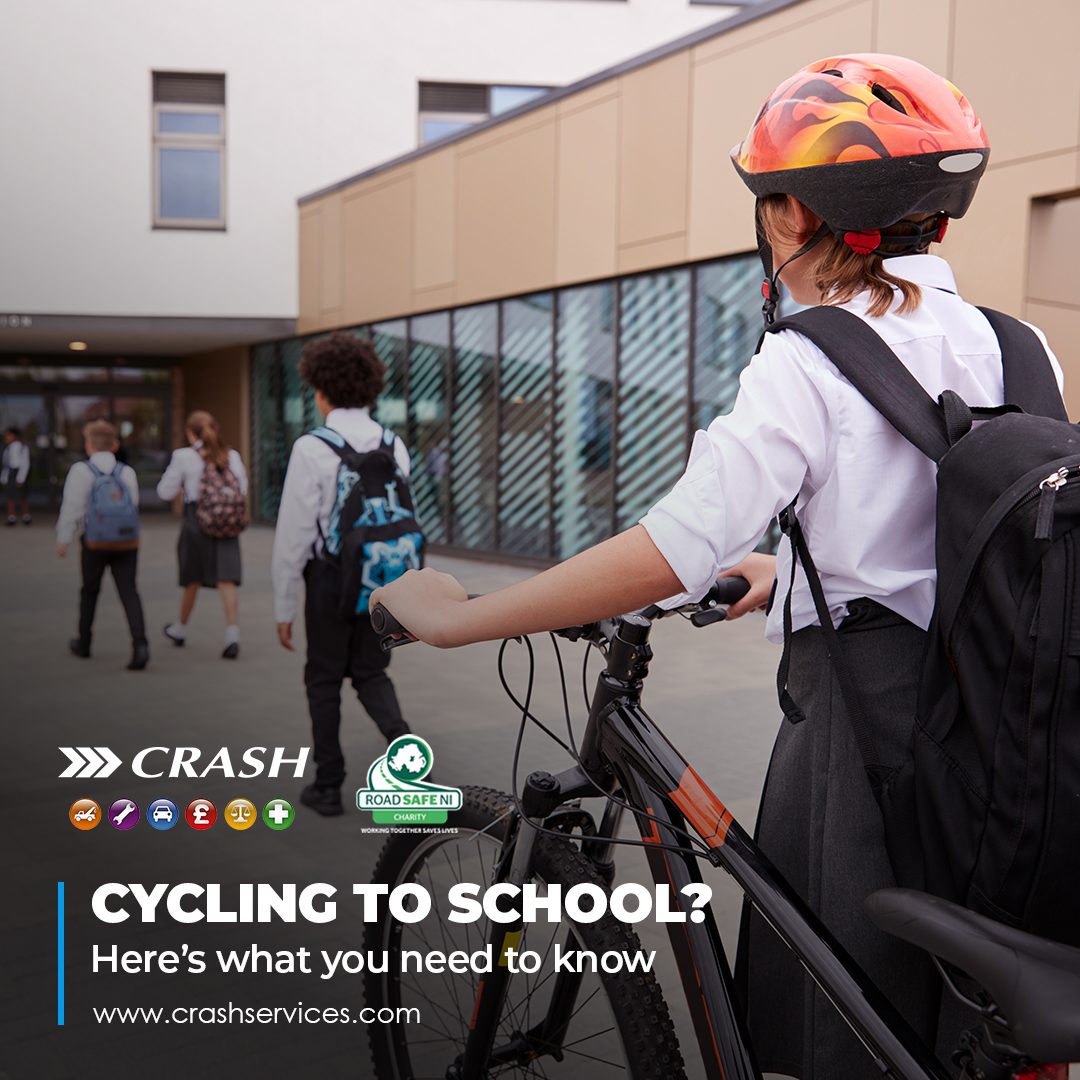
Cycling to school is an excellent way for children to stay active, build independence, improve fitness and reduce traffic congestion around schools. However, riding on roads and shared pathways comes with responsibilities, and it’s important that young cyclists have the skills, awareness and confidence to travel safely.
Whether your child is cycling to school for the first time or is already a regular rider, these essential cycling safety tips can help keep them safe on Northern Ireland’s roads.
1. Learn the Rules of the Road
Before cycling independently, children should understand the basics of road safety and how to ride responsibly around other road users.
Make sure they know:
- How to signal left and right clearly with one hand
- When to stop and give way
- How to recognise common road signs and markings
- How to safely approach junctions and crossings
- The importance of obeying traffic lights and road rules
Many schools across Northern Ireland participate in cycling proficiency and Bikeability-style training programmes, which can help young cyclists develop essential road skills.
2. Always Wear a Properly Fitted Helmet
A cycle helmet is one of the most important pieces of safety equipment a child can wear.
A helmet should:
- Sit level on the head
- Cover the forehead
- Fit securely without wobbling
- Have straps fastened snugly beneath the chin
- Form a “V” shape around the ears
Allowing children to choose a helmet style or colour they like can encourage them to wear it consistently.
3. Carry Out the ABC Bike Check
A quick bike inspection before every journey can help identify issues before they become safety hazards.
A = Air
Check:
- Tyres are correctly inflated
- There are no punctures or visible damage
B = Brakes
Make sure:
- Front and rear brakes work properly
- Brake levers feel responsive
- The bike stops safely when tested
C = Chain
Check that the chain is:
- Clean
- Properly lubricated
- Moving smoothly
Also ensure the saddle height is appropriate and all parts of the bicycle are secure.
4. Be Bright and Be Seen
Visibility is especially important during darker mornings, winter afternoons and poor weather conditions.
Help your child stand out by using:
- Bright or fluorescent clothing
- Reflective jackets or accessories
- Reflective school bag covers
- Front white bike lights
- Rear red bike lights
- Wheel and pedal reflectors
Drivers are much more likely to notice cyclists who are visible from a distance.
5. Plan a Safe Cycling Route
The shortest route is not always the safest route.
Before your child begins cycling to school independently:
- Cycle the route together
- Identify safer crossing points
- Use cycle lanes where available
- Avoid busy, high-speed roads where possible
- Discuss potential hazards along the route
For younger cyclists, crossing particularly busy junctions on foot may sometimes be the safest option.
6. Ride Responsibly, Especially With Friends
Cycling with friends can make the journey more enjoyable, but safety should always come first.
Encourage children to:
- Ride single file on busy roads
- Keep both hands on the handlebars except when signalling
- Leave plenty of space between bikes
- Avoid racing or competing with friends
- Never weave between traffic
Good cycling habits help create a safer environment for everyone.
7. Avoid Distractions While Cycling
Cycling requires full concentration.
Young cyclists should never:
- Use mobile phones while riding
- Wear headphones
- Listen to music that prevents them hearing traffic
- Become distracted by conversations or devices
Being able to hear approaching vehicles, warning signals and other road users is essential for safe cycling.
Additional Tips for Parents
Before allowing a child to cycle independently:
- Practice the school route together several times
- Check their bike regularly for maintenance issues
- Ensure lights and reflectors are working
- Discuss road safety regularly
- Encourage safe decision-making and awareness
Confidence develops through preparation and experience.
Making School Journeys Safer
Cycling to school offers numerous benefits, from improved fitness and mental wellbeing to greater independence and environmental sustainability. By teaching children the importance of road awareness, visibility and responsible cycling, parents can help create safer journeys for young riders.
With the right skills and preparation, cycling can be a safe, healthy and enjoyable way for children to travel to school.
Let’s work together to make Northern Ireland’s roads safer for every cyclist, especially the youngest members of our communities.
How CRASH Services Can Help You After A Car Crash or Accident
At CRASH Services, we specialise in helping drivers in Belfast, Newtownabbey, Newry, Derry~Londonderry and across Northern Ireland get back on the road quickly.
After an accident, our expert team will take care of:
- vehicle recovery,
- collision investigation,
- organising repairs,
- providing a replacement vehicle,
- liaising with insurance companies and
- legal and medical
And we do it all, at no cost to the not-at-fault driver.
Our service is free as we recover the costs from the third-party insurers.
Why Choose CRASH Services?
- Established in 1996
- Trusted by Hundreds of Thousands Local Northern Ireland Motorists
- No Cost to You, Costs Recovered from Insurers
- Complete Accident Management from Recovery to Repairs
- 99% Customer Recommendation Rate
Our Mission is Simple:
“To act with care for those involved in road traffic accidents.”
Need Help After an Accident in Belfast, Newtownabbey, Newry, Derry~Londonderry or anywhere across Northern Ireland?
Call us today on 028 9066 0244 or Request a Callback Today
CRASH Services, take care of everything, at no cost to you!
Frequently Asked Questions
- Is cycling to school a good option for children?
Yes. Cycling to school can help children stay active, develop independence, improve confidence, and reduce traffic congestion around schools when carried out safely.
- What age should a child be before cycling to school alone?
This depends on the child’s cycling ability, maturity, confidence, route complexity, and traffic conditions. Parents should assess whether their child can safely manage the journey independently.
- Why is it important for children to learn road rules before cycling?
Understanding road signs, signals, junctions, and right-of-way rules helps young cyclists make safer decisions and interact predictably with other road users.
- Should children always wear a helmet?
Wearing a properly fitted helmet is strongly recommended as it can help reduce the risk of head injuries if a cyclist falls or is involved in a collision.
- How should a cycling helmet fit?
A helmet should:
- Sit level on the head
- Cover the forehead
- Fit snugly without moving
- Have straps correctly adjusted under the ears and chin
- What is the ABC bike check?
The ABC check helps ensure a bike is roadworthy:
- A = Air in the tyres
- B = Brakes working correctly
- C = Chain clean, lubricated, and functioning properly